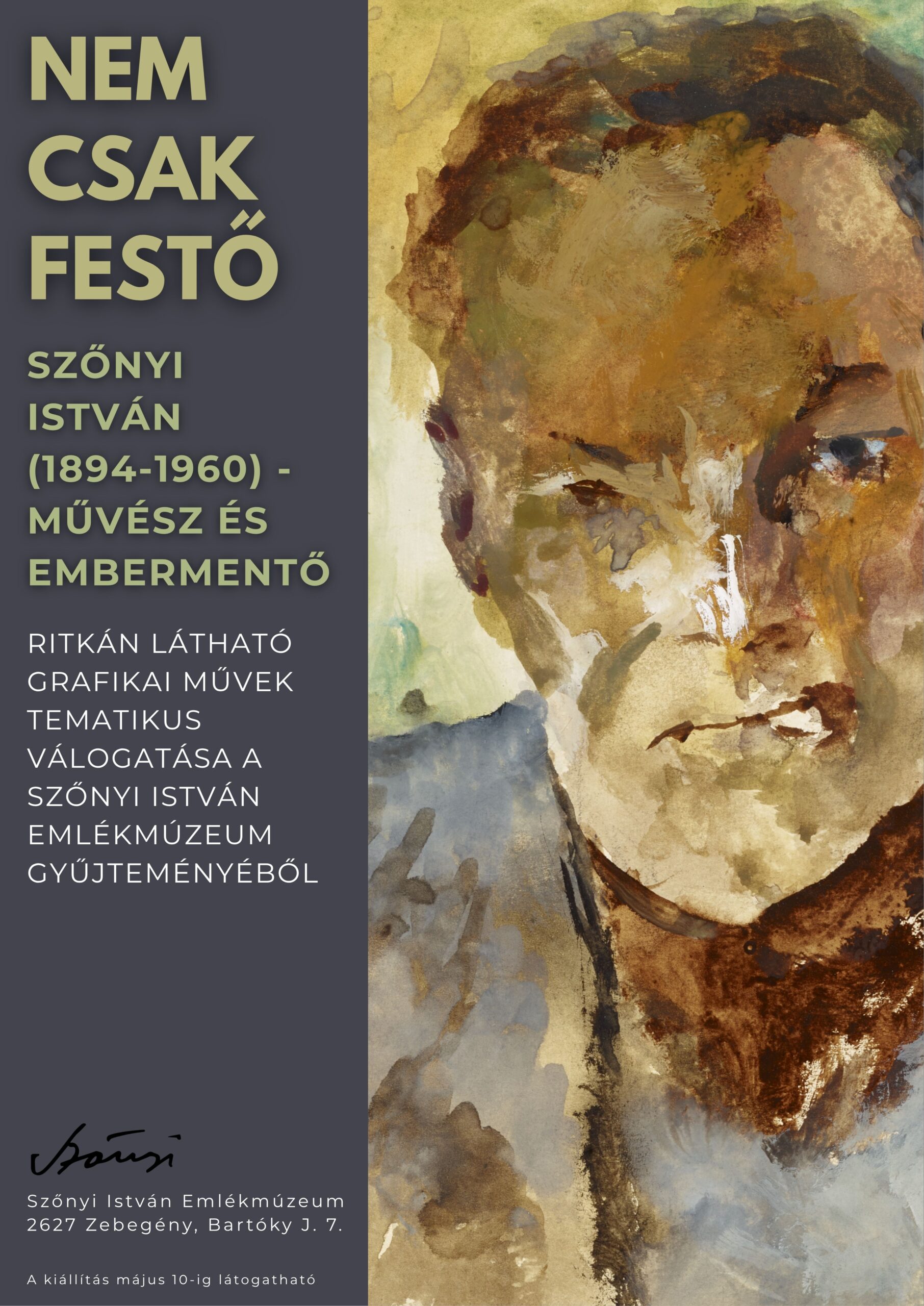
NEM CSAK FESTŐ – Szőnyi István (1894-1960) művész és embermentő
című időszaki kiállításunk május 10-ig látogatható.
„Az élet nem tűr halogatást, nem vár, elmúlik. Nincs módunk magunkat időben sem előre, sem hátra helyezni; vállalni kell korunkat s helyt állni azért az eszményért, amelynek szolgálatára a tehetség kötelez.” /Szőnyi István/
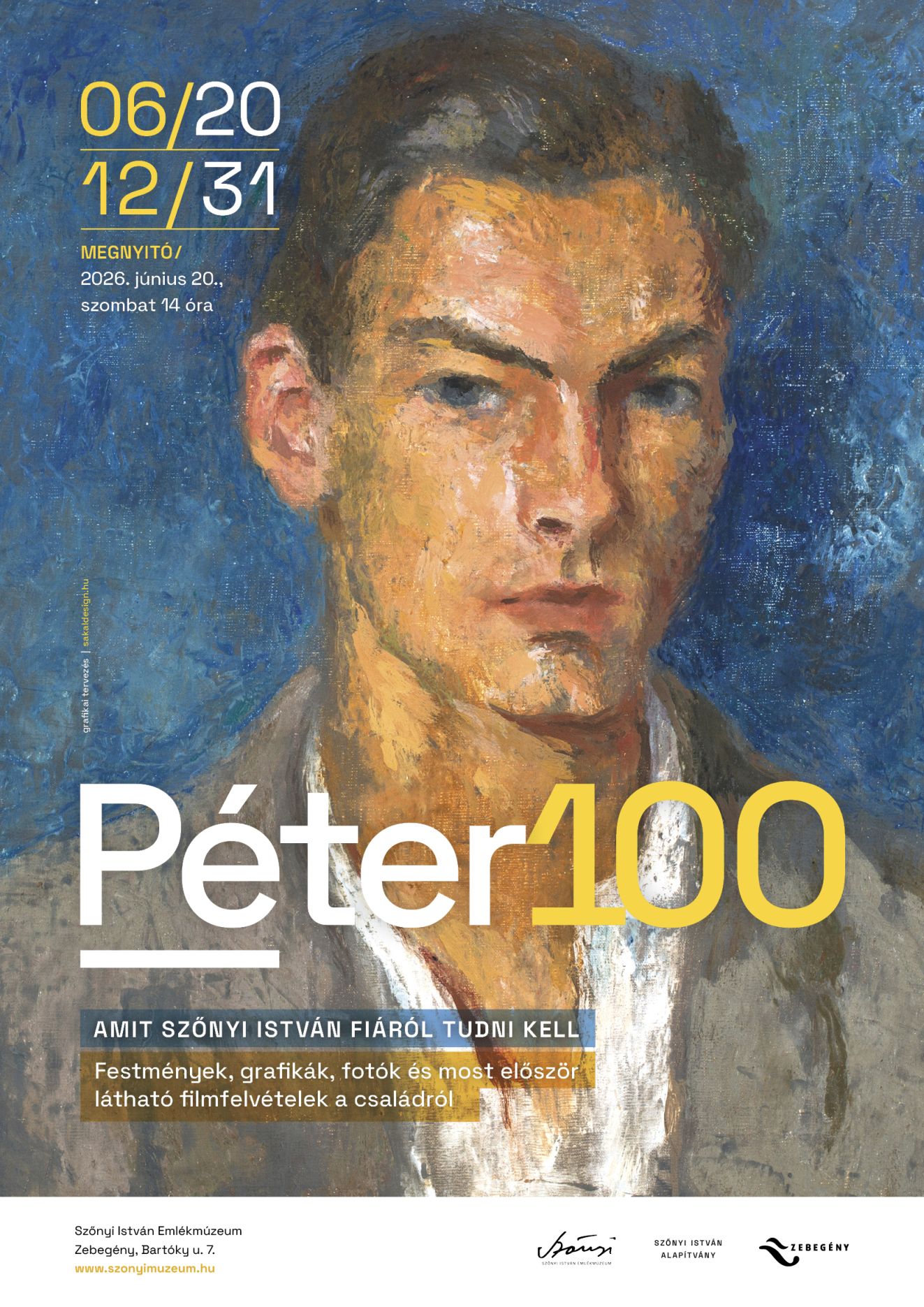
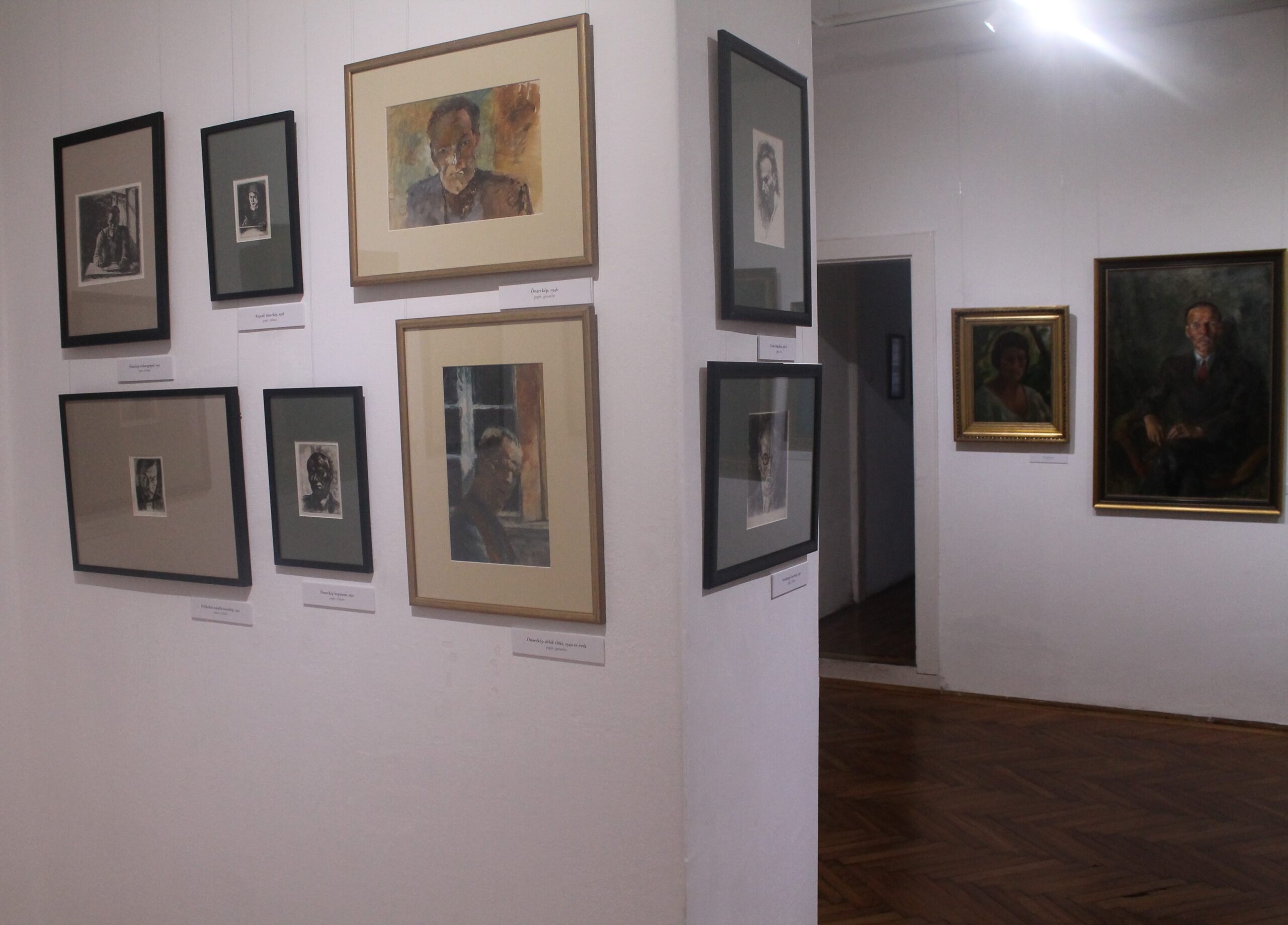
Az önarcképen, amit egy évvel a második világháború vége után festett, Szőnyi ötvenkét éves. Sokat megélt ember, aki erős tekintetével szinte átfúrja a papírt ahogy a szemünkbe néz. Az önarckép Genfben készült, egy karitatív utazás során, amikor más művészekkel együtt néhány hetet Svájcban tölthetett, az akkor ott élő író, Hubay Miklós szervezésében. Az utazás célja a háborút elszenvedett művészek megsegítése, az elszenvedett lelki és fizikai sérülések, traumák enyhítése volt. Szőnyit is érték veszteségek, budapesti műteremlakását bombatalálat érte, sok más művésztársához hasonlóan neki is több alkotása megsemmisült. Számára azonban a legnagyobb csapást nem ez, hanem tizennyolc éves fia, Péter halála jelentette, aki agyhártyagyulladásban hunyt el 1945-ben.
Apja mellett ő is aktívan részt vett az emberek mentésében a második világháború alatt, több más családtagjával együtt. A vészkorszak, a tömeges deportálások idején, sokak életét megmentették, többeket a budapesti, Baross utcai műteremlakásukban bujtatva és hamis iratokat elállítva, amelyből száznál is többet készítettek házilag, majd juttattak el különböző utakon a rászorulóknak. Erről a tevékenységről nem beszéltek, egymással is csak a legszükségesebb információkat osztották meg nehogy az esetleges letartóztatás során vallatással másokra veszélyes vallomást kényszerítsenek ki belőlük. A legautentikusabb forrás erről az időszakról Szőnyi Jolán, a festő lánya visszaemlékezése, aki maga is részt vett az embermentő tevékenységben.
A megmentettek között volt Szőnyi egyik tanítványa, Róbert (Rosenberg) Miklós (1911-2001) festő, aki évekkel később megpróbálta felkutatni sorstársait, akik szintén Szőnyiéknek köszönhetik megmenekülésüket. A megtalált túlélők tanúvallomásait elküldte Jeruzsálembe, a Hősök és Mártírok Múzeumába, ahol döntöttek arról, hogy Szőnyi István és családja megkapja a Jad Vasem /Világ Igaza kitüntetést.
Szőnyi István kivételes, karizmatikus személyiség volt, aki egész életében megtett mindent, hogy segítsen a rászorulókon. Kortársai és a későbbi generációk nemcsak tehetségét, de emberségét is elismerték. Kivételes jellemét, belső erejét az is bizonyítja, sem a háborúk, sem a személyes tragédiák nem törték meg őt annyira, hogy elveszítse az életbe, művészetbe vetett hitét. Nemcsak, hogy ember tudott maradni, de alkotásai is megőrizték azt a szelíd harmóniát és derűs líraiságot, amely nemcsak művészetét, de személyét is jellemezte. A kiállításon bemutatott alkotások közvetítik a Szőnyi művészetére jellemző időtlenséget, eleganciát, a hozzájuk kapcsolódó történetekkel együtt pedig ráirányítják a figyelmet a festő életének mérföldköveire, amelyek sokszor összekapcsolódnak a történelemmel.
PANTHEISTIC PARALLELS
Artistic Drawings of Creation in the Works of István Szőnyi and Attila Nagy
"I walk here practically every day on the Roundabout, where there is a beautiful, huge plane tree. Every time I go by, I look at it. It's beautiful when it's bare, beautiful when it's leafy, beautiful when it sheds its leaves, and beautiful when it opens its buds. I looked at this tree until I found God for myself."
Ten days after his 58th birthday, István Szőnyi wrote the above thoughts in a letter dated 27 January 1952 to his daughter Zsuzsa, who lived in Rome. In his pantheistic reflections, he reflects on his fascination with nature, or as he calls it, the seemingly senseless order of organic life, for example the inexplicable arrangement of tree branches, which, although far from being structured according to human logic, is perfect as it is, and therefore certainly divine. The philosophical orientation of pantheism, which considers God to be present in all earthly things, even in the most minute manifestations of nature, is a common feature of the artistic and natural approach of István Szőnyi and Attila Nagy. Both are strongly connected to nature, and nature is often the subject of their works. Their distinctive visionary depictions of animals and landscapes are also related, as is their commitment to drawing. Attila Nagy considers himself primarily a sculptor who draws a lot. Not only does he make preparatory studies and sketches for his sculptures, for him drawing is a way of self-expression that is both relaxing and meditative. His prints, like Szőnyi's works, are based on the real view, but - "avoiding the trap of naturalism", as the painter Aurél Bernáth, Szőnyi's friend, said - they convey moods, feelings and thoughts.
Attila Nagy considers Szőnyi his role model, and he created the bust of him in Zebegény in 2001. As a child, in a portrait film of him, he watched with fascination as the ageing painter's gaze almost "hunted down the subject" and then captured what he saw with incredibly quick movements. It is with the same eye that he, as an artist, observes the world around him, looking for subjects that present themselves. The exhibited works, in addition to their thematic and technical similarities, show the hunter's attitude of both artists, but also a childlike curiosity and playfulness, a humility in their approach to nature, which they do not want to dominate, either as artists or as humans, but only to become part of it, to be part of it and to show its multifaceted perfection on a pedestal.
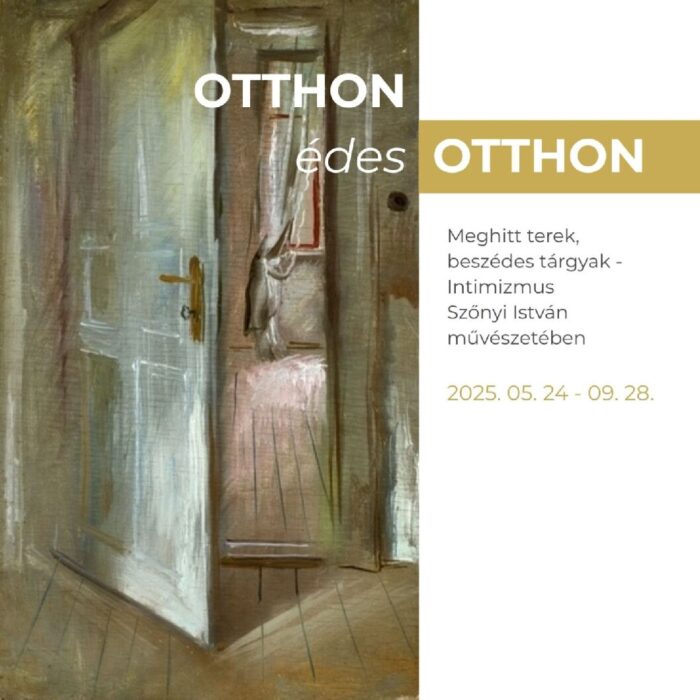
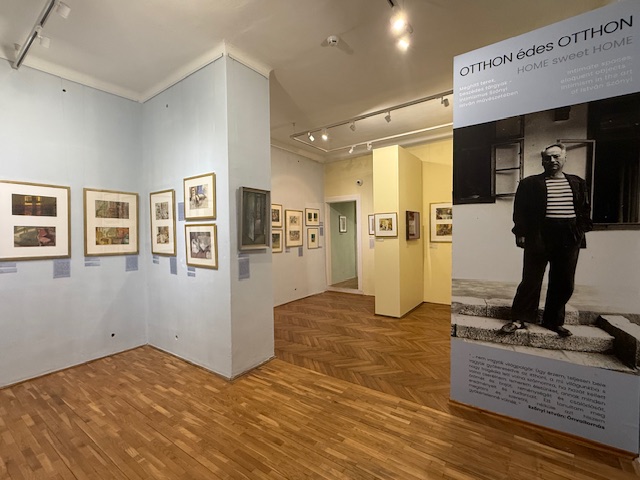
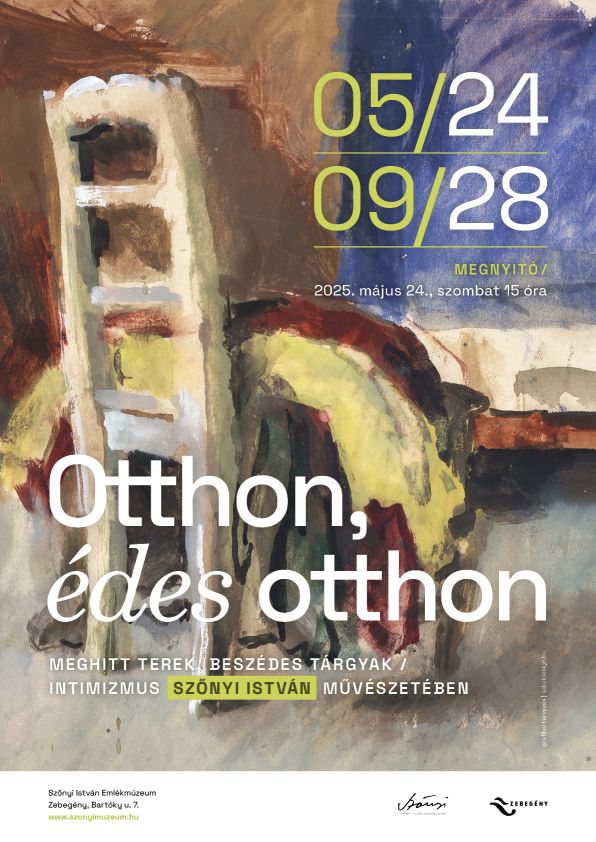
At home, Sweet home
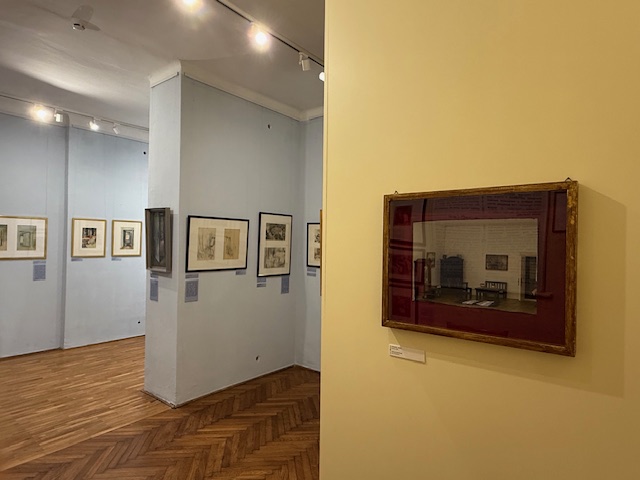
Intimate spaces, talkative objects - intimism in the art of István Szőnyi
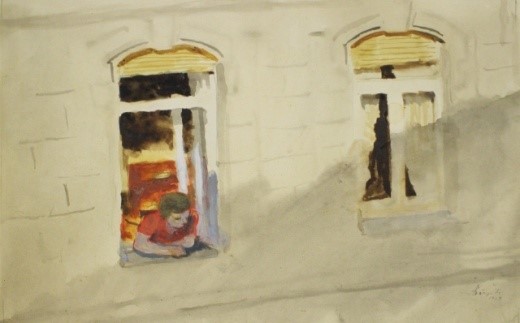
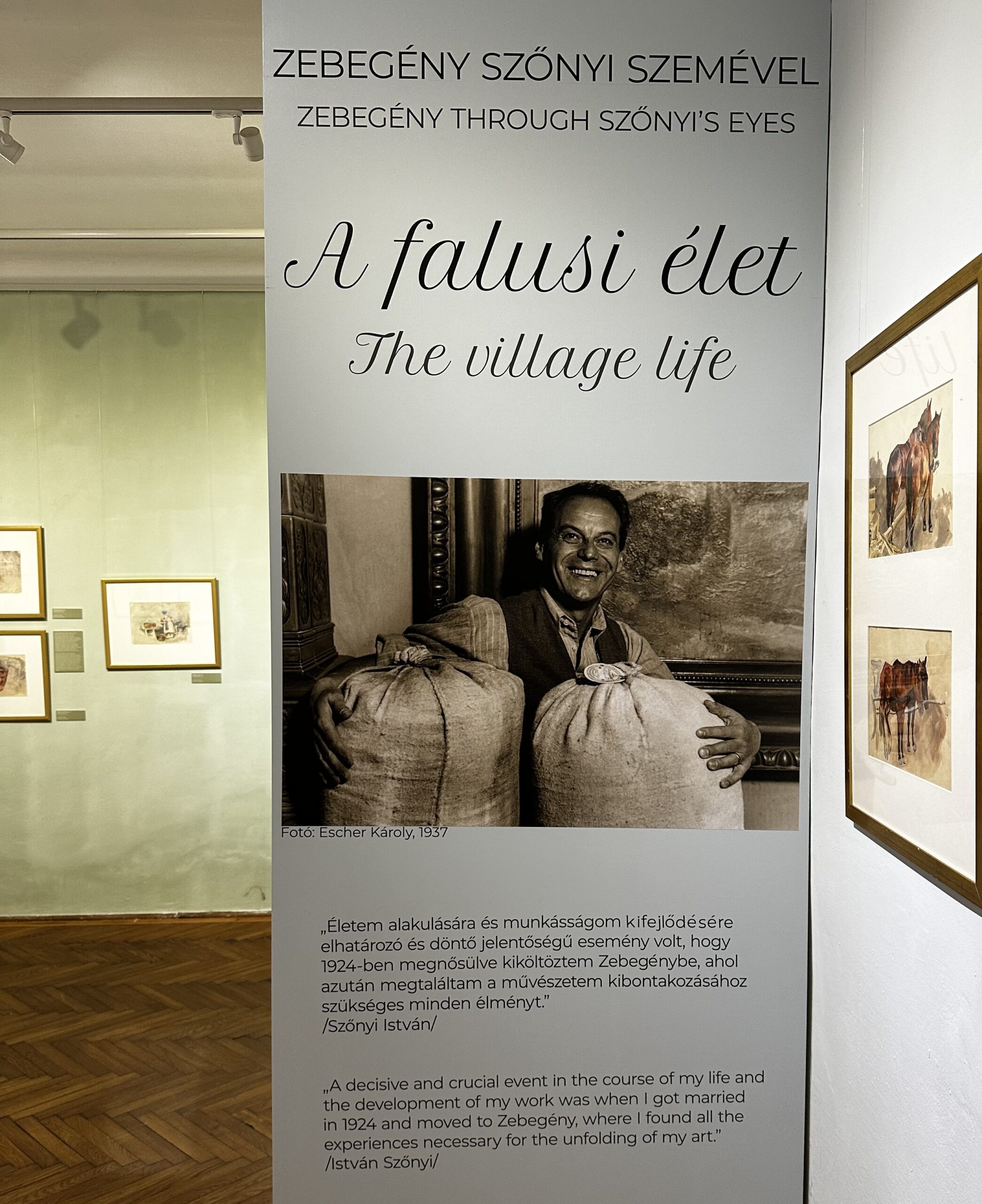
Thematic exhibition series of István Szőnyi's graphic works fourth came to the exhibition. Village life, Life on the waterfront, and the Father and daughter After temporary exhibitions, the current theme is István Szőnyi's home, the interior and exterior spaces surrounding him, and mainly his home in Zebegény.
István Szőnyi (1894, Újpest - 1960, Zebegény) moved to Zebegény as a young married man in 1924, at the age of thirty, to start his life together with his wife Melinda and their first child, the newborn Zsuzsa, in his father-in-law's summer house. They lived in Zebegény as permanent residents until 1930, and in 1926 their son Péter was born here. When Zsuzsa started school, they moved to Budapest, to the studio apartment in Baross Street. From then on Szőnyi lived a two-family life, and in the summer the whole family moved to Zebegény, where other painters followed Szőnyi in the years between the two world wars to discover the village and the Danube Bend. After 1949 the Szőnyi couple moved to Zebegény for good. Péter was no longer alive and died in 1945, aged 18, of meningitis. Zsuzsa married in 1944, and she and her husband, Mátyás Triznya, defected in 1949 and settled in Rome.
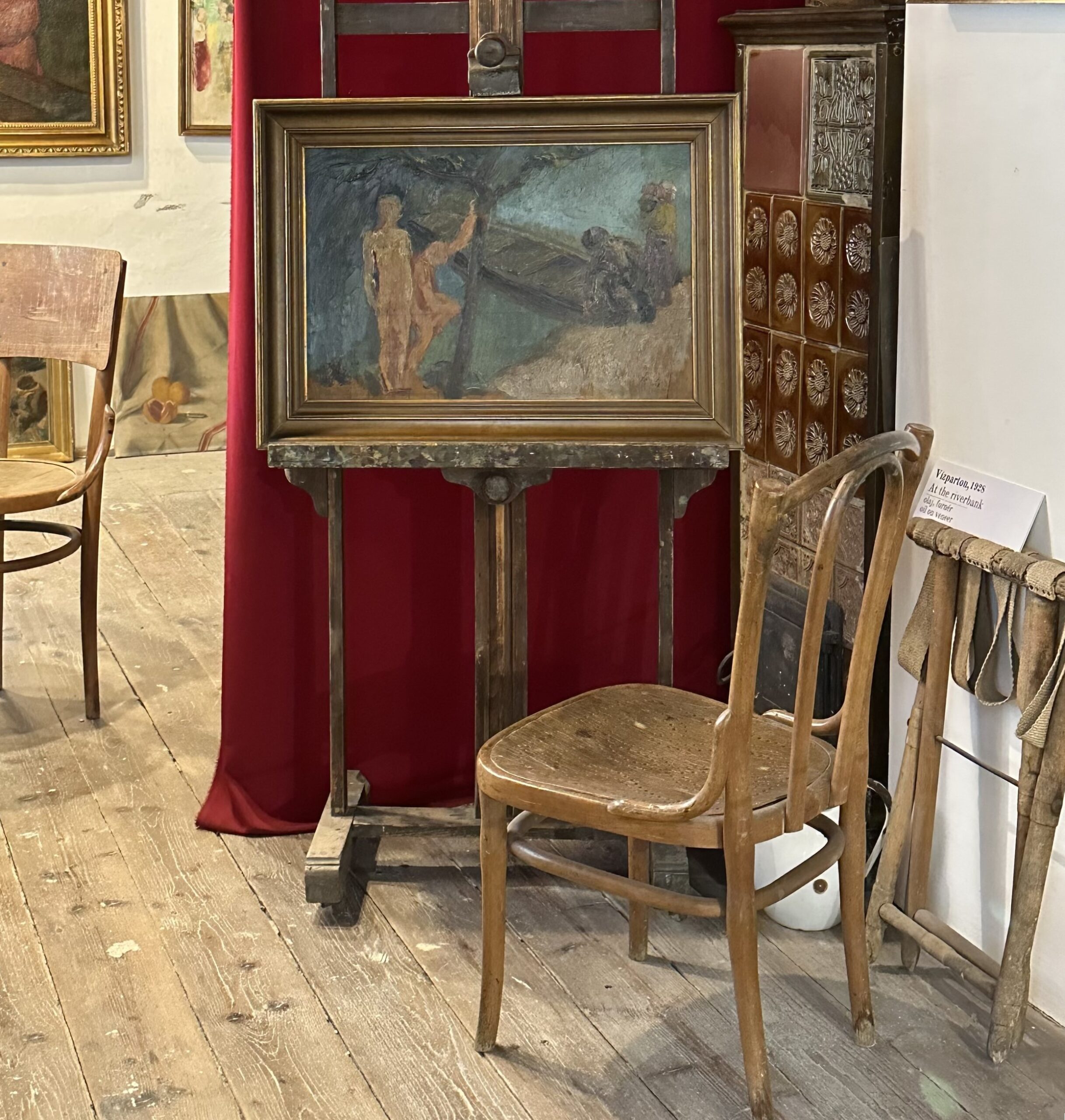
Szőnyi considered Zebegény his real home. Here he could enjoy both the rural life close to nature, with which he was in perfect harmony, and the environment that became the main source of inspiration for his art. He did not consider himself a city man. He loved the simple life of the countryside, working with animals and gardening. As a painter, the landscape, the people who lived with nature, but also the intimate moments of family life, and with them the simple, happy everyday settings and accessories, the furniture and objects in which they lived their daily lives, were an unquenchable source of inspiration for him.
Szőnyi's home extended beyond the rooms, the walls of the house and even the garden, manifesting itself in feelings and thoughts, which he expressed in his intimate works with complex messages and intimate moods, radiating timelessness.
Szőnyi had a special relationship with the everyday objects of his environment. He paid as much attention to them as he did to people, animals or the landscape. His pantheistic view extended not only to the most minute manifestations of nature, but also to the objects that surrounded him. He loved objects, he appreciated them, he noticed what others did not, the atmosphere they created. He recognised the feelings and thoughts that arose in him as a result of the sight, and he recorded them immediately. In this way he captured in their freshness the idealized snapshots of reality, the most extreme and sincere impressions of which became his graphics, his gouache paintings.
His paintings of objects are not arranged still lifes. The objects were not arranged for the sake of composition. Szőnyi simply noticed when the objects "spoke" to him at a particular moment, thus initiating the process of creation.
Intimism, which focused on the everyday objects of everyday life and intimate moments, and which emerged as an artistic movement at the beginning of the 20th century, was also close to Szőnyi from his time in Zebegényi. The painter, who had served in the army throughout the First World War, was one of those artists who, after the war, turned their art towards landscapes radiating beauty and timelessness, towards nature, which was always reborn, and drew their themes from it. His intimate interior paintings are similarly inspired.
In reality, Szőnyi was a reserved, reserved man who communicated with the world through his art. He always studied his environment from the background, as a silent observer. He also let us into his intimate sphere while keeping his person hidden.
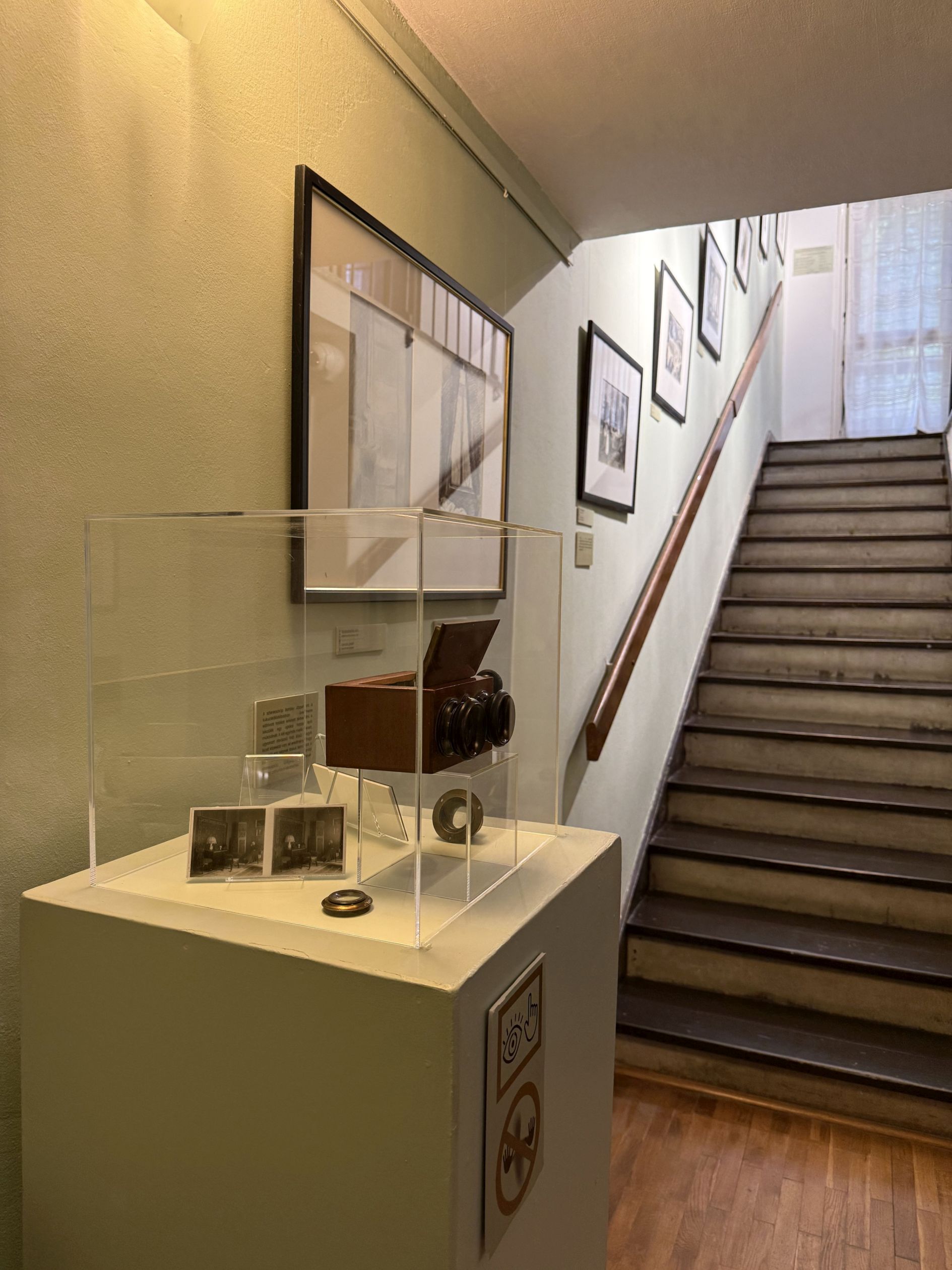
The exhibition traces an arc from István Szőnyi's childhood to his becoming a father, and from the birth of his daughter Zsuzsa to her becoming a granddaughter. Szőnyi moved with his wife, Melinda Bartóky, to his father-in-law's summer house in Zebegény in 1924 and in the same year his daughter Zsuzsa was born, followed two years later by his son Péter. It was in Zebegény that Szőnyi's painting came to fruition, where he developed his distinctive and unique style. The subjects of his paintings also changed. In addition to the Danube landscape, nature and the people living with it, family, home and intimate, intimate moments came to the fore. He made many sketches, studies and paintings of his wife and children, which follow their development. Their graphic works are at once lyrical, emotional, personal and timeless. The exhibition is primarily a thematic selection of the rarely exhibited graphic material in the collection, but also includes some of Szőnyi's paintings from his childhood. The exhibition also includes family photographs, most of which were taken by the painter himself of his family and children, with artistic exactitude.
In the exhibition Father and Daughter - The World of Childhood in the Paintings of István Szőnyi, we have also thought of the youngest museum visitors. While the parents are looking at the exhibition, the little ones won't be bored either! The childhood drawings of István Szőnyi and his sister Anna are displayed on the walls at their height.
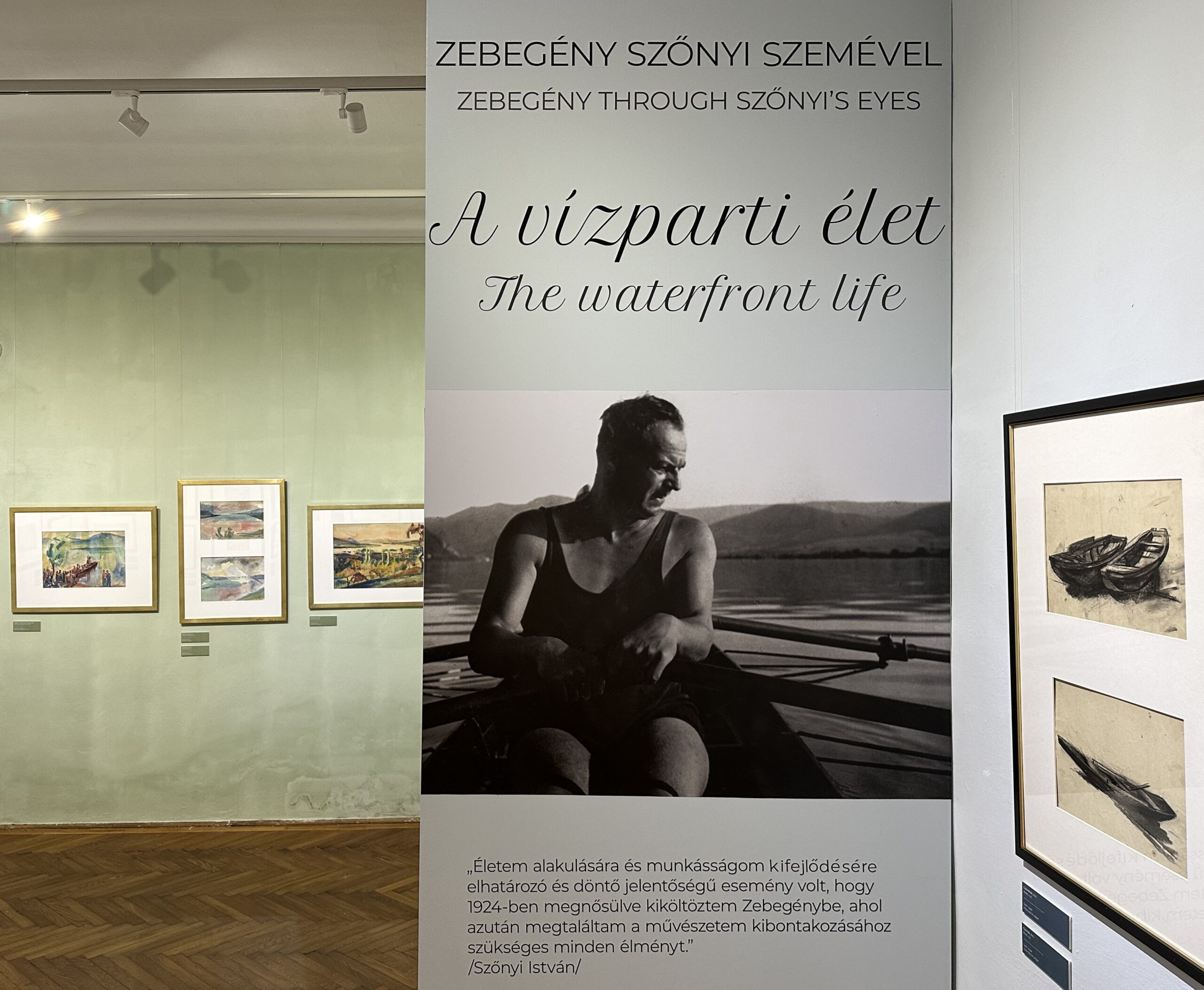
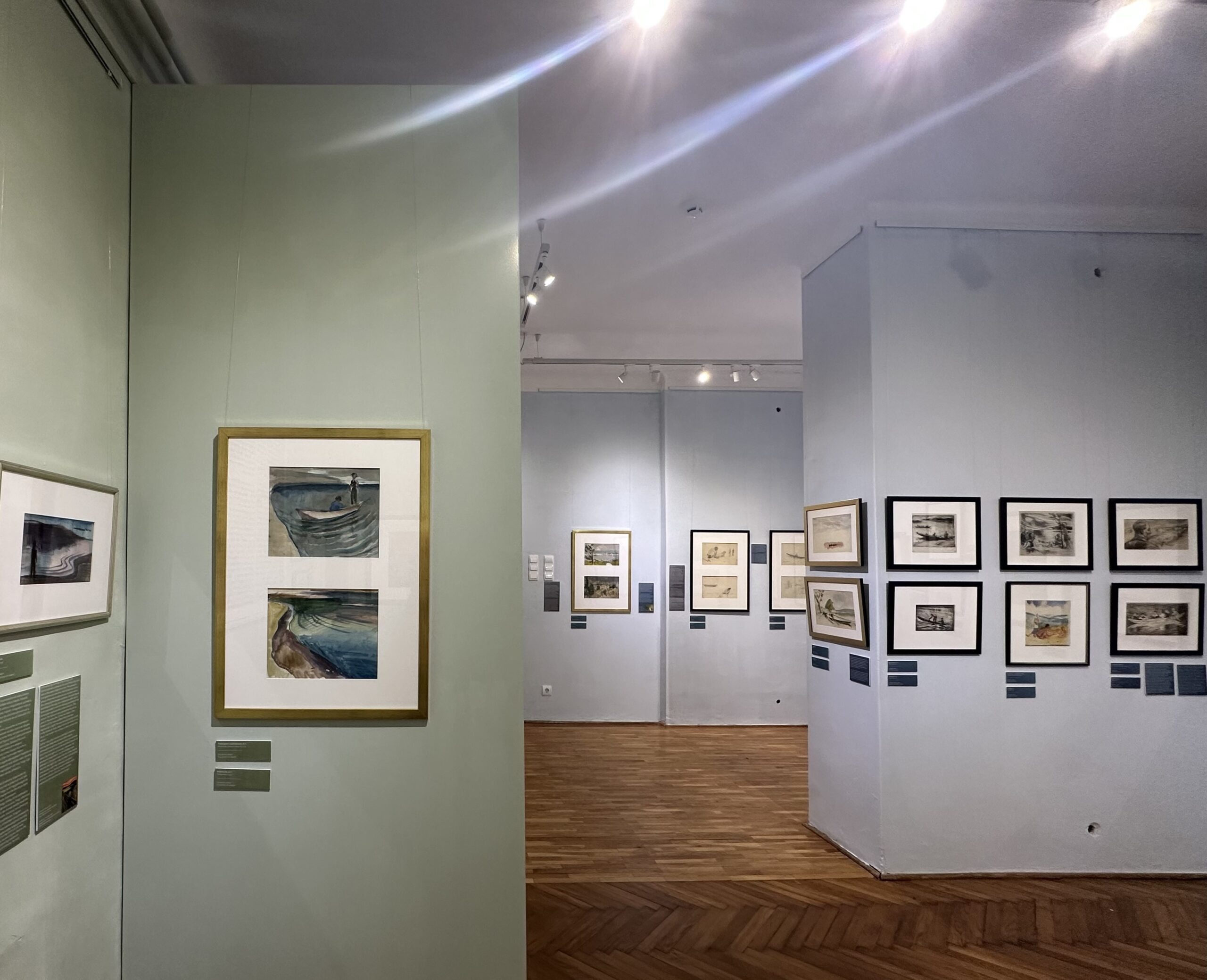
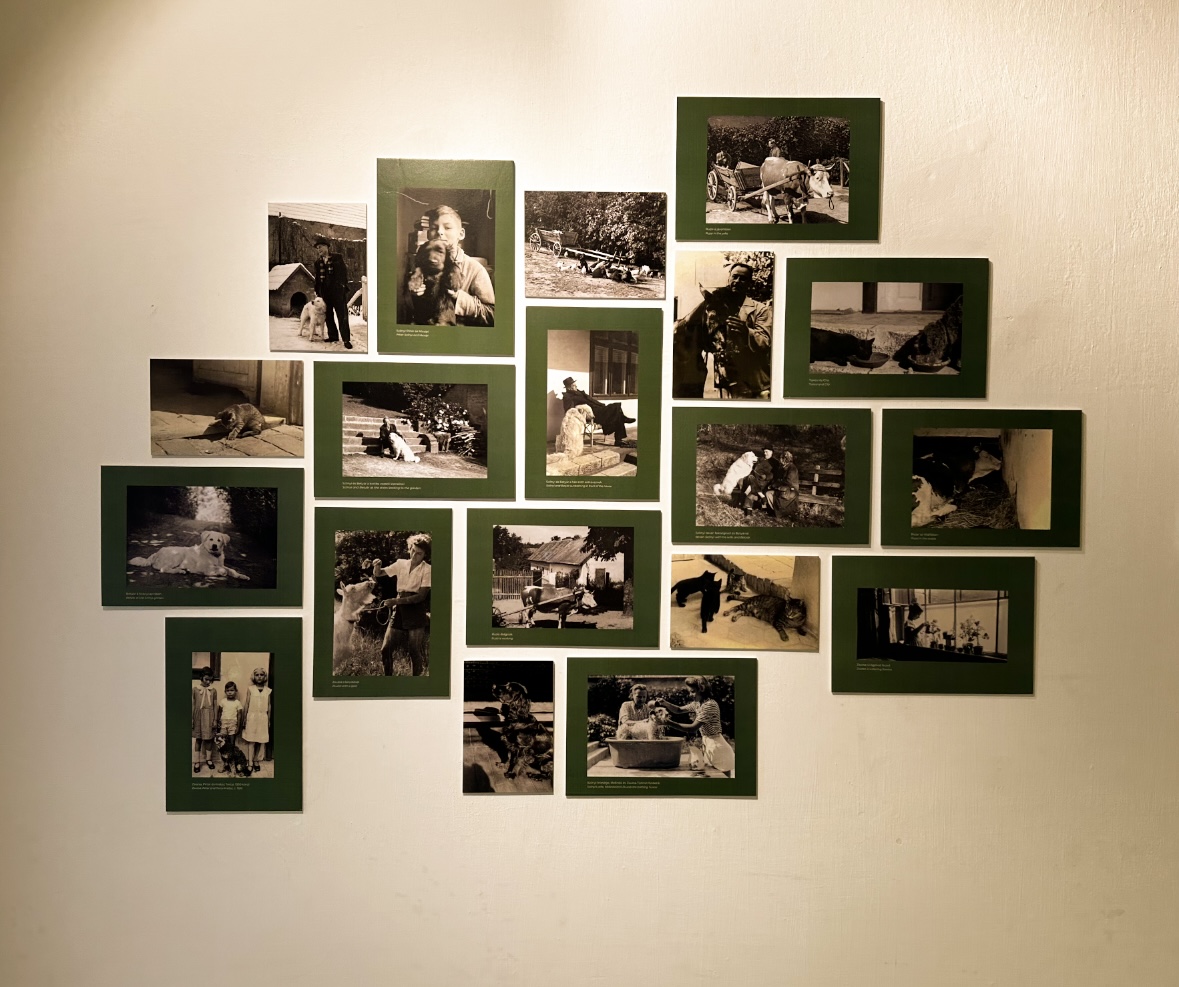
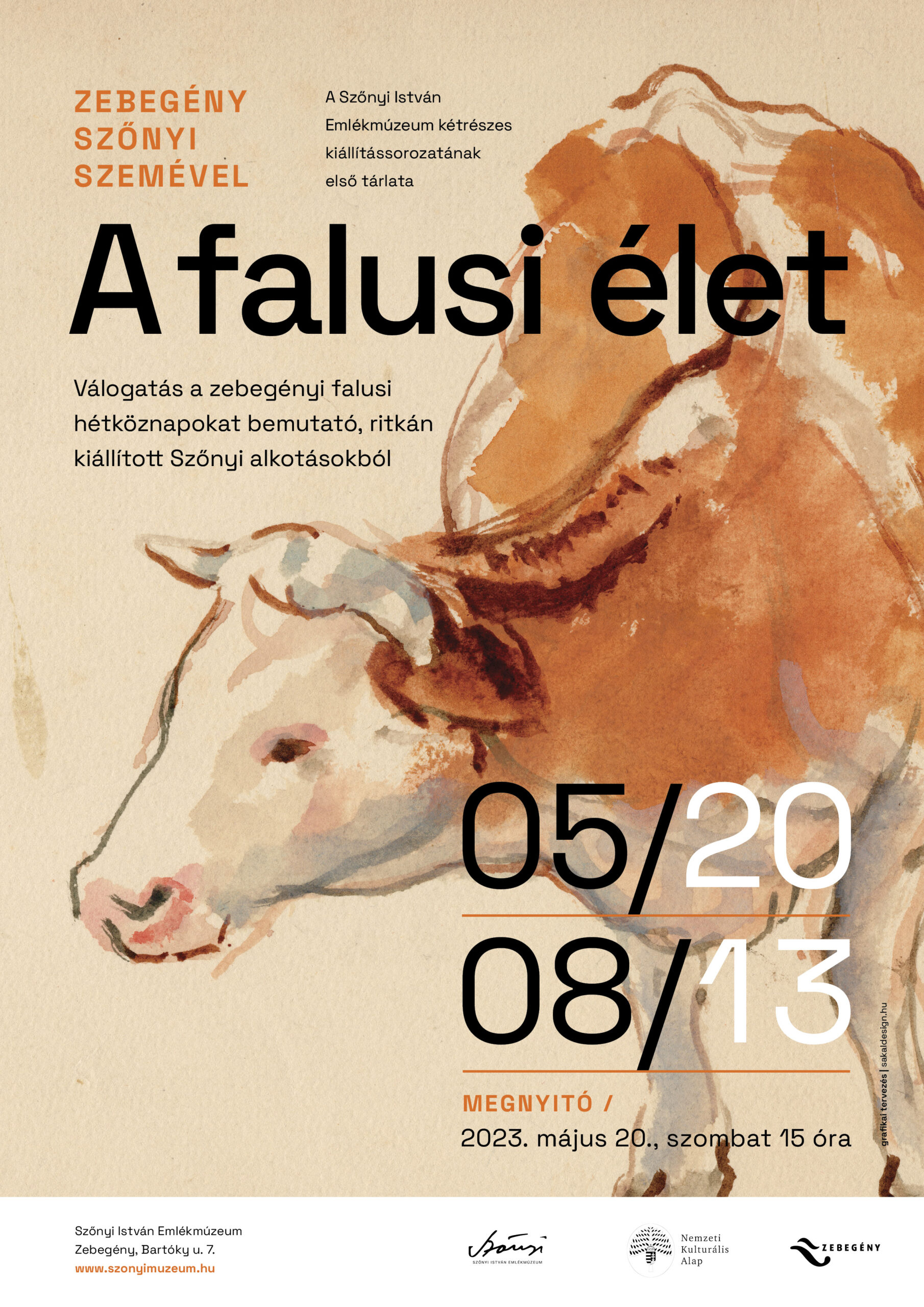
An exhibition of István Szőnyi's rarely seen graphic works has opened at the Szőnyi István Memorial Museum in Zebegény. While the first of the two-part exhibition series was about village life in Zebegény, the second focuses on life on the waterfront. The theme of the watercolours, drawings and etchings presented here is the idyllic environment discovered by Szőnyi, the Danube landscape and the people who live with it.
Just like the previous exhibition, most of the graphic works, which form an important part of Szőnyi's oeuvre, are sketches, studies, a kind of visual note, sometimes a snapshot captured with a few strokes, sometimes a more elaborate composition, reflecting the deep attachment that Szőnyi had to Zebegény and the Danube.
Szőnyi, one of the most successful members of the generation of Hungarian painters between the two world wars, moved from the capital to Zebegény in 1924, at the age of thirty, as a young married couple, which marked a turning point in his life and his art. It was here that he found everything he needed to develop his art, discovered the inseparable unity of man and landscape, and the beauty of simple things. His main subjects, besides the Danube bend, became village life, his family and the surrounding landscape. He spent a lot of time capturing life on the waterfront, fishermen, people waiting for the ferryman, boats rocking in solitude and the landscape of the Danube in general. With his lyrical style, he conjured up an idyllic Arcadia of the small Danube-side village, in which the river and the people who live alongside it play a leading role.
As a member of the Gresham Circle, founded in the mid-1920s, Szőnyi was one of those artists who chose quiet retirement instead of active social involvement after the Great War and the events that followed in Hungary. The members of the circle did not believe that things could be changed, were not political, distanced themselves from modern artistic aspirations, and were far removed from the avant-garde spirit. They believed in eternal values, such as nature, and in painting based on nature, which had its roots in Nagybánya. The small village of Zebegény, hidden among the hills in the Danube bend, offered an ideal setting for immersion in the simple beauty of nature and life.
Szőnyi produced countless sketches and studies, captivating in their freshness and spontaneity. The pictures, which can be regarded as full-fledged works of art, trace the behind-the-scenes of the creative process, and show the artist experimenting with different techniques, compositional methods, colours and lights.
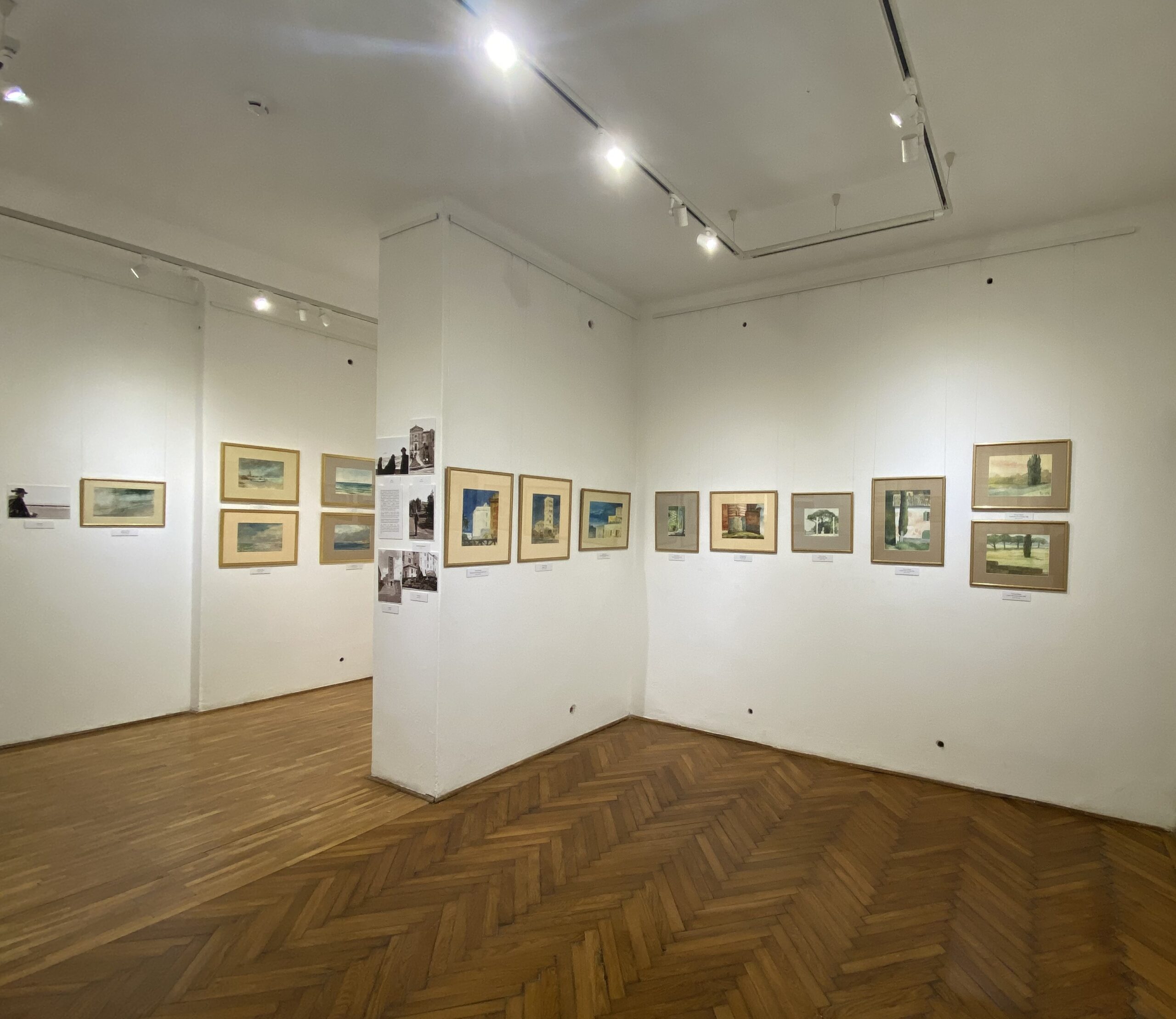
In addition to his paintings from Zebegény, the exhibition also includes sketches and watercolours he made during his travels, including the paintings he did in Italy in the last months of his life.
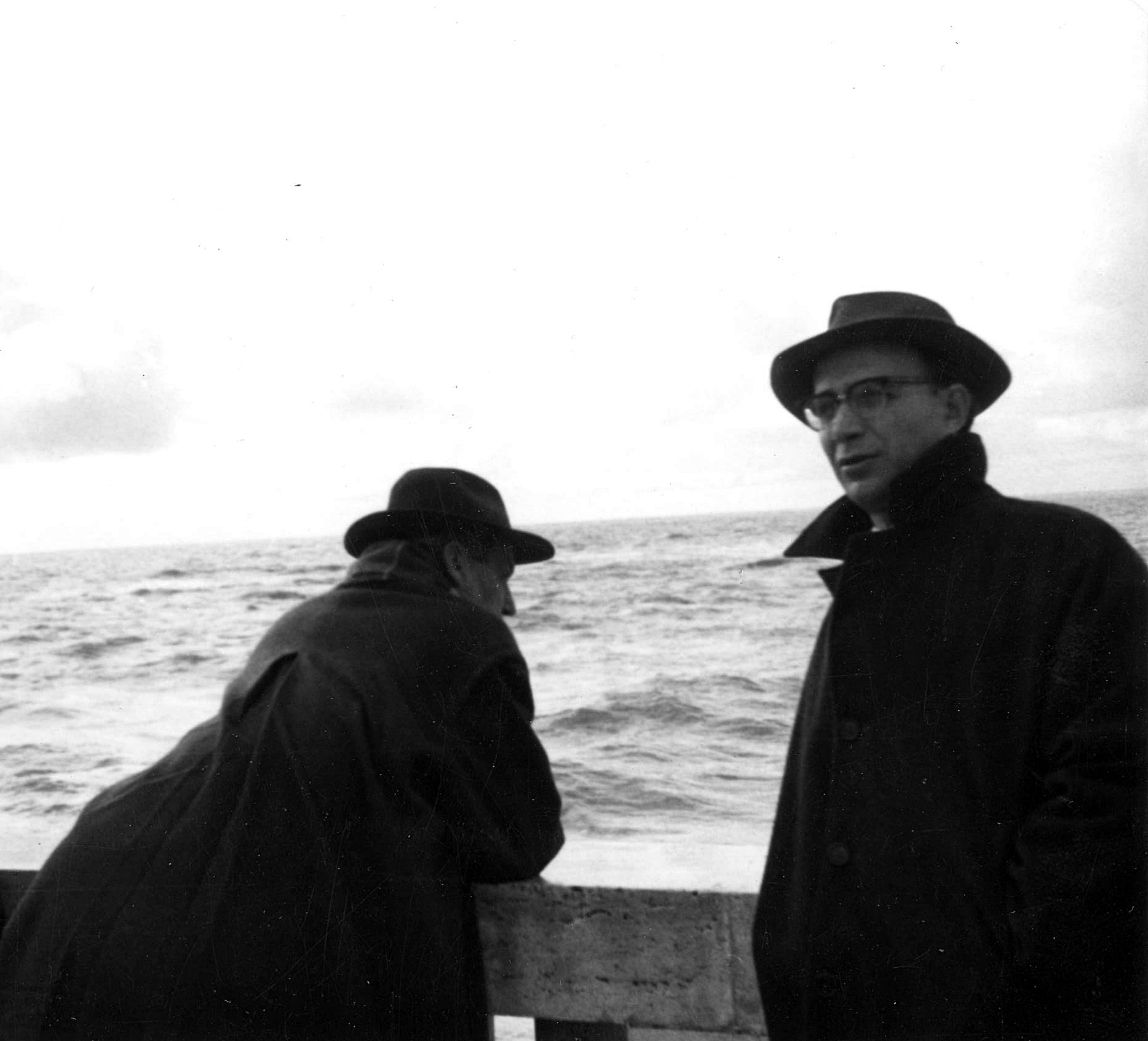
In 1957 and 1959 Szőnyi visited his daughter Zsuzsa in Rome, who had emigrated with her husband, Mátyás Triznya in 1949. During her last visit in 1959, she made many sketches on the beaches and harbours around Rome, making up for what she had missed as a Rome scholar in 1929. The material was to have been shown in an exhibition in Italy, which was cancelled after his death in 1960.
The exhibition is a selection of graphic material from the collection, which visitors can only see on special occasions. The watercolours, drawings and etchings on display are artistic impressions of the simple rural life that Szőnyi loved so much.
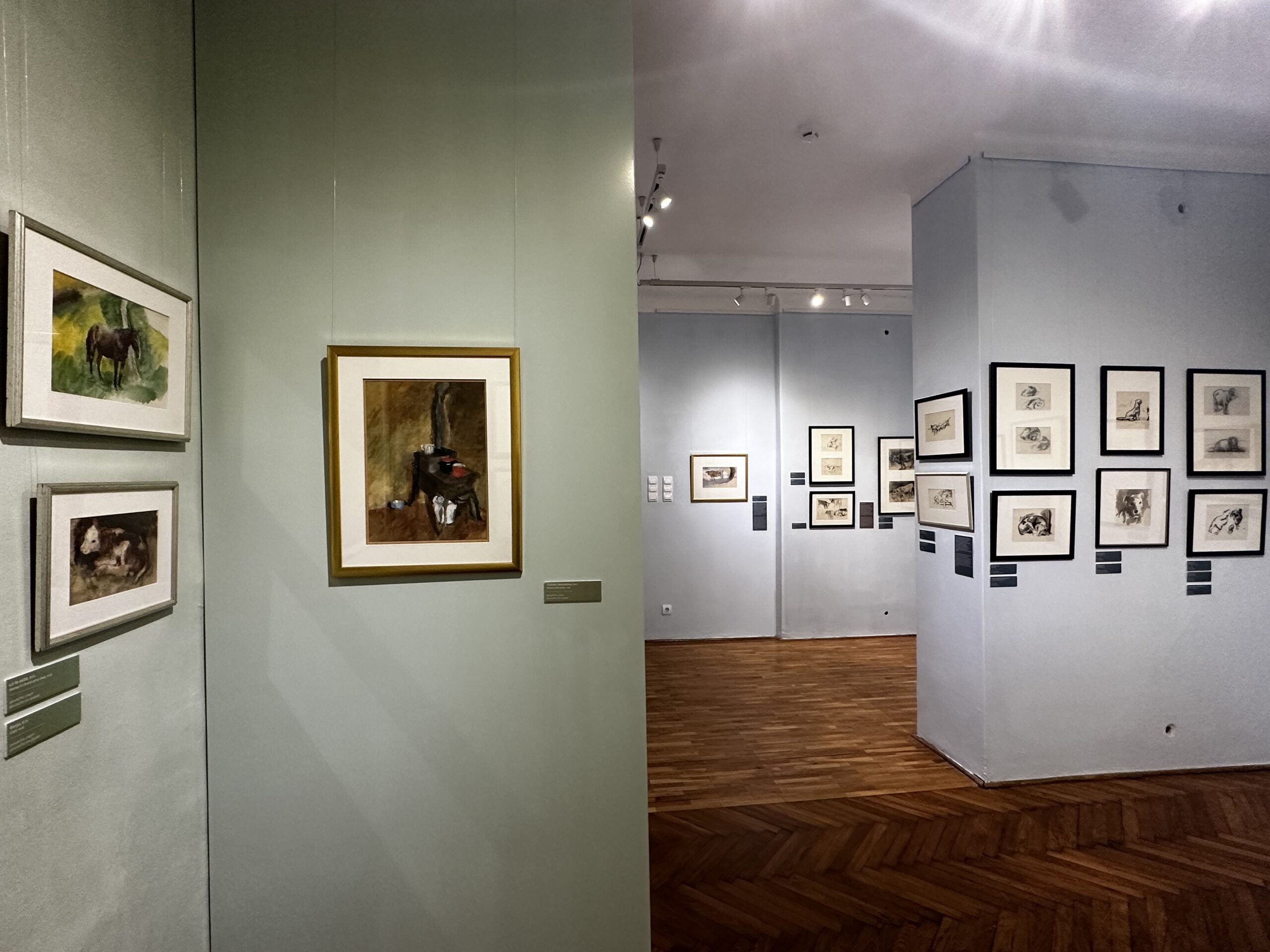
Szőnyi found everything he needed to develop his art in Zebegény. He was able to study the inseparable unity of man and landscape at close quarters, to immerse himself in the beauty of simple things. After his move here, the main subjects of his painting became the landscape, village life, his family and his idyllic everyday life, with the animals and objects he used every day.
He made countless sketches and studies - captivating in their freshness and spontaneity - of people and animals at work, captured in stolen moments. The pictures, which could be considered full-fledged works of art, reveal the behind-the-scenes of the creative process, showing the artist experimenting with different techniques, compositions, colours and lights, which he later used in his panel paintings. Szőnyi was constantly collecting material for his paintings, capturing everything he found interesting about the world around him. He started from the realistic view, but his works go beyond naturalism. They are characterised by Szőnyi's lyricism, the serenity and humanity that radiates from him and that shines through in all his works.
The temporary exhibition is open from 20 May to 13 August.
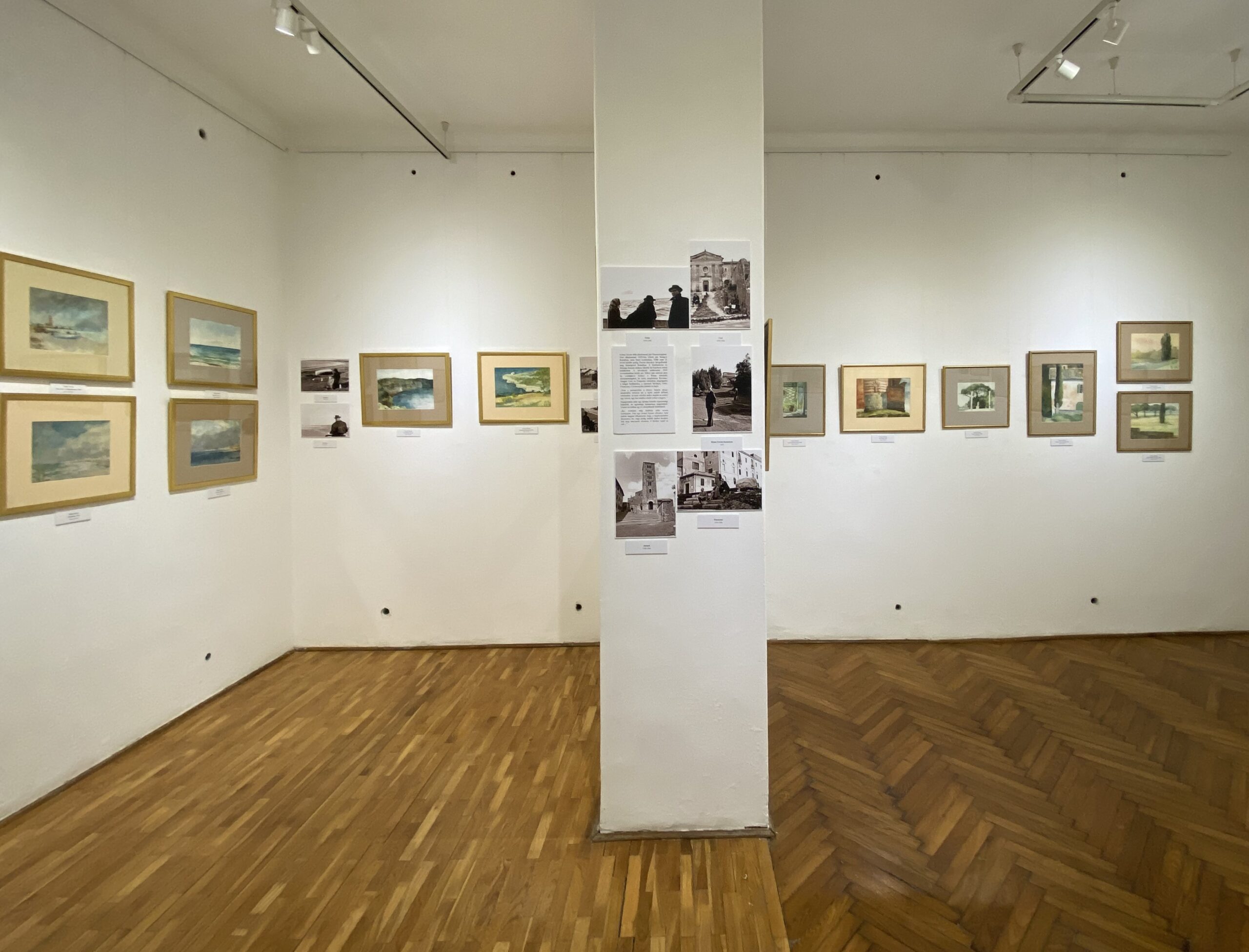
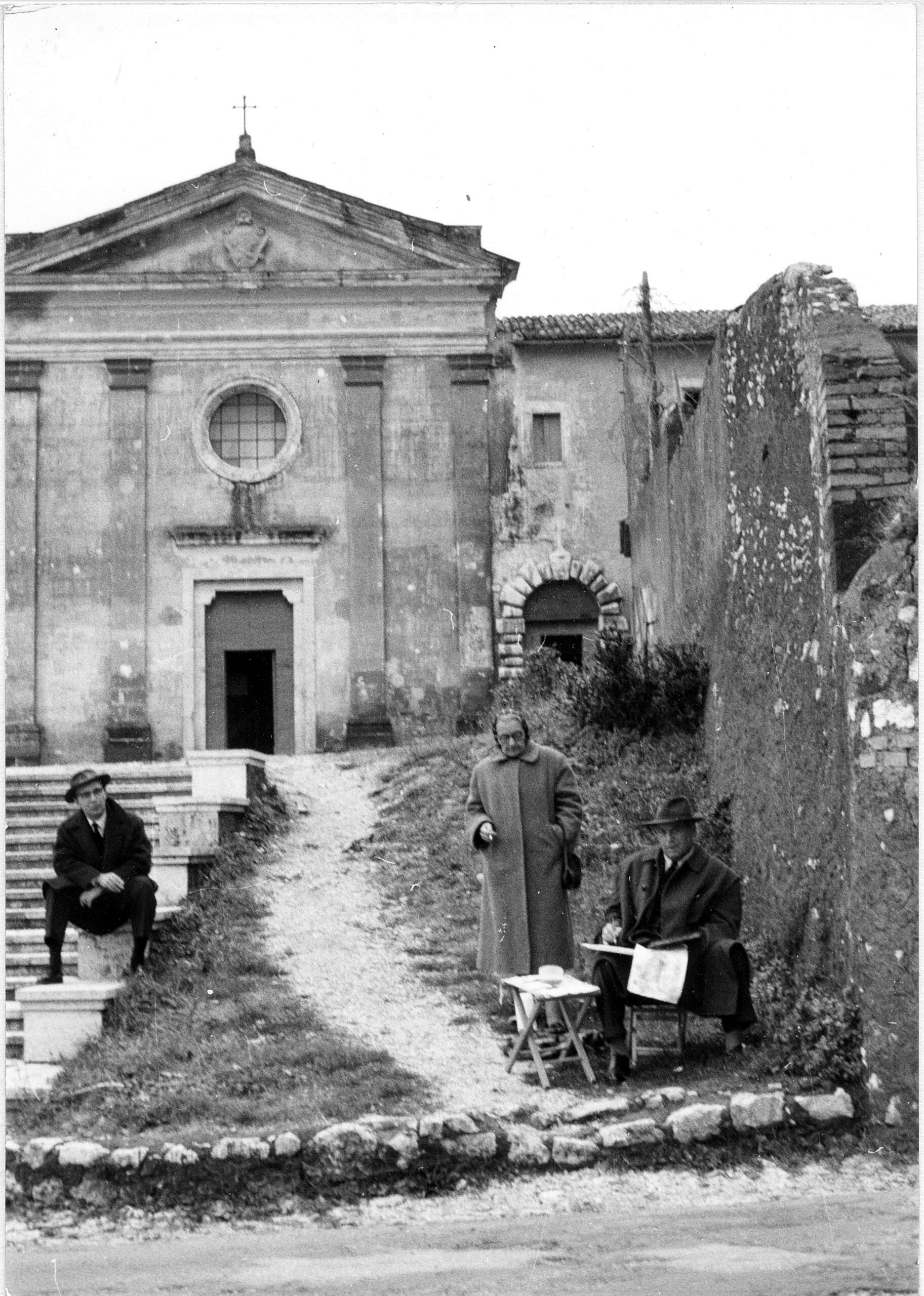
We show Rome and its surroundings through the eyes of two artists, Master and Disciple, father-in-law and son-in-law. In addition to his creative work, István Szőnyi was also a teacher. His son-in-law Mátyás Triznya was his pupil at his private school. Not only did he learn the tricks of the trade from his father-in-law, but they were also friends. Shortly before his death, he gave this testimony about their relationship:
"It took long, long decades before one could safely pick up a brush, especially in the shadow of a great painter like István Szőnyi..."
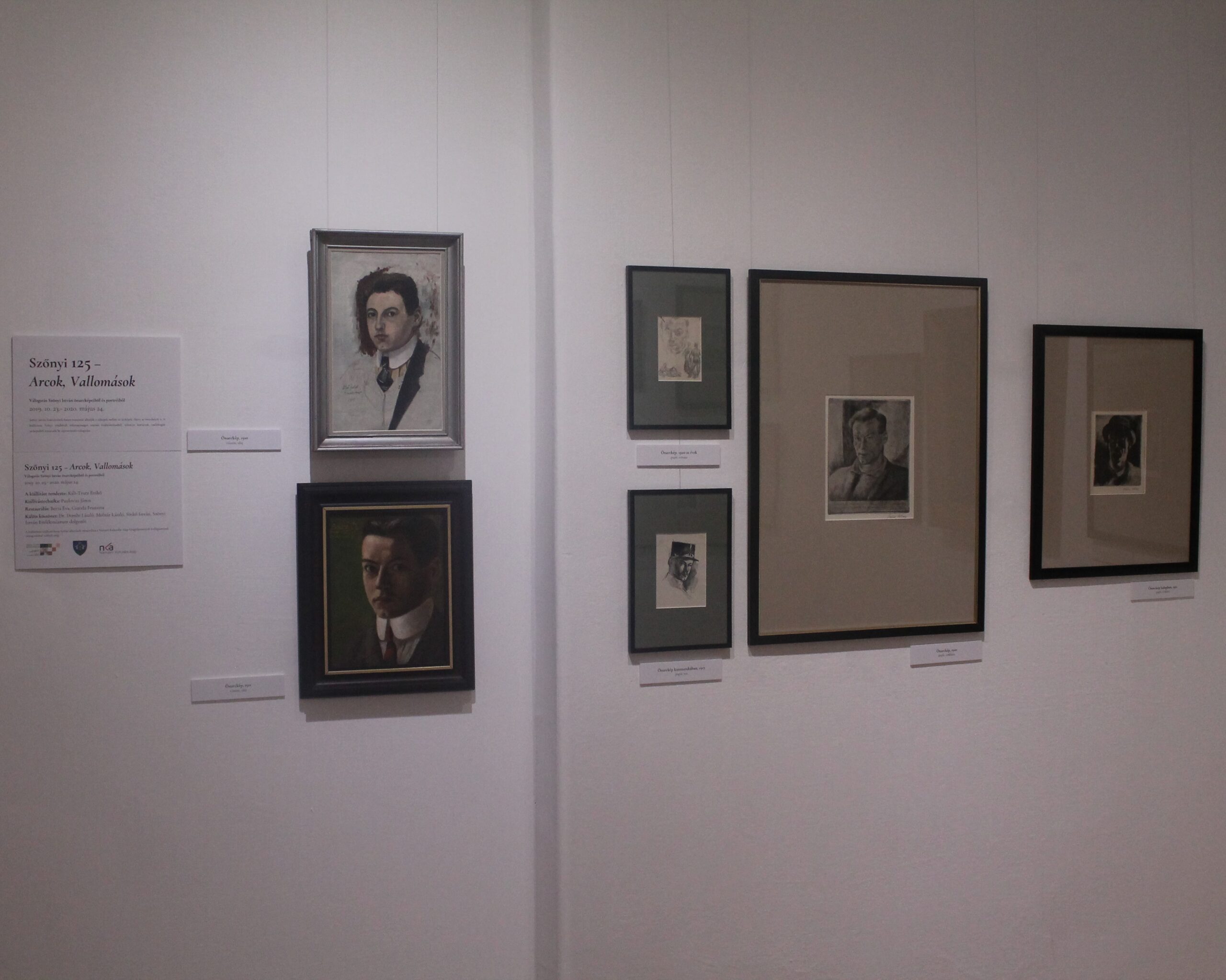
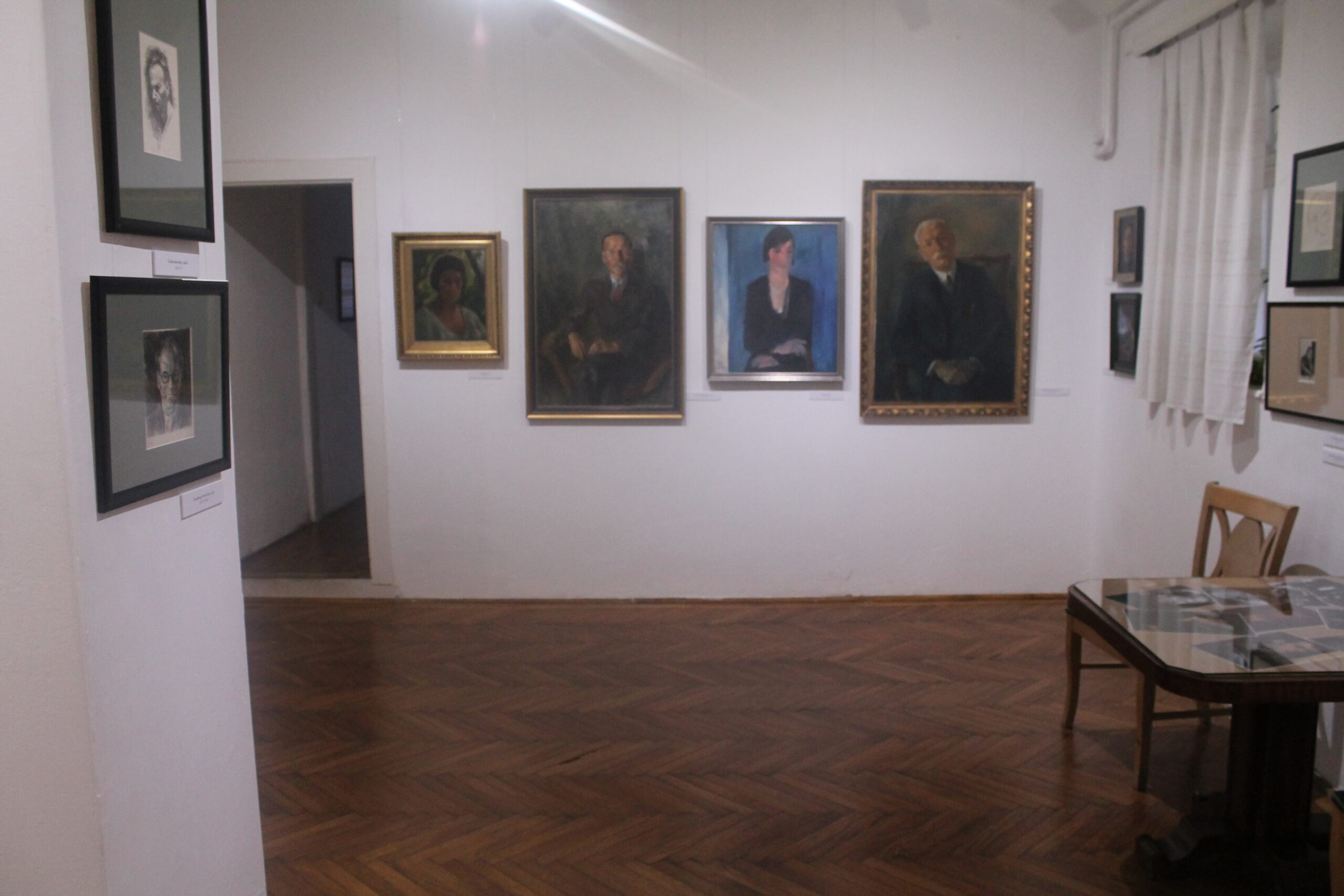
From the early stages of his career, Szőnyi was keen to immortalise himself. The works form an almost coherent "self-portrait gallery", showing the artist's constantly changing face. His very early paintings from the period 1910-11, despite their eventuality, already present the image of a self-conscious artist.
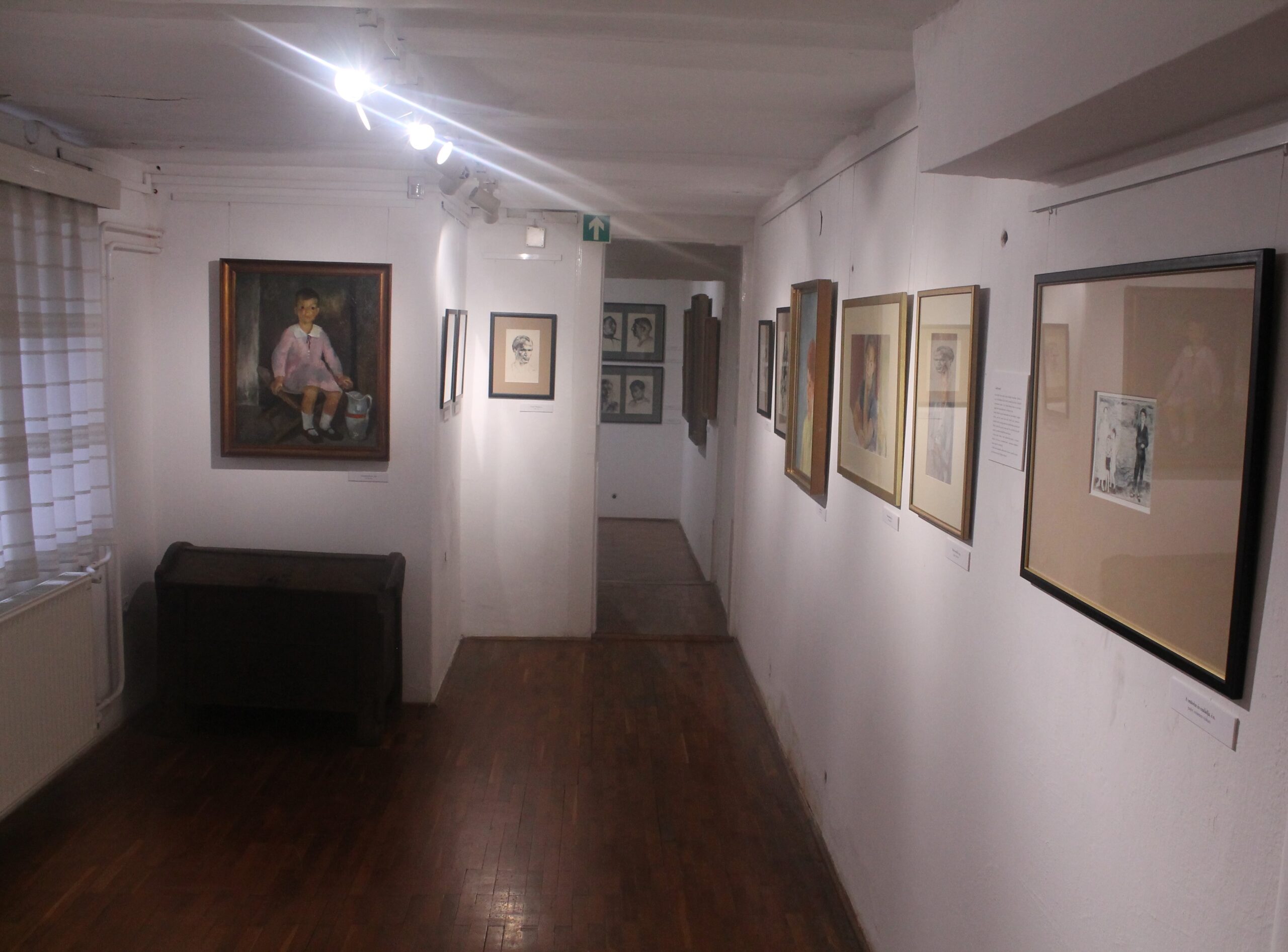
In Szőnyi's paintings, his family members and relatives play a prominent role. From 1924 in particular, his pictures of his parents and siblings are replaced by portraits of his wife and child. The figures he loved most were depicted in the most varied ways and techniques. From fresh pencil and charcoal drawings to reproduced prints and large painted panels. In the final section of the exhibition, you will see more portraits of the characters and typical figures of the Zebegény village life that you have found.